
I’ve been gardening in raised beds for years. I started with a DIY cedar build and have since tried corrugated metal, fabric grow bags, and a couple of kit options. Here’s what I’ve learned: building from scratch saves money if you have the tools and time. But a good kit gets you growing the same weekend it arrives.
The raised bed market has exploded recently. Metal beds used to be a niche thing. Now they’re everywhere, and for good reason. They last longer than wood, they look clean, and they don’t leach chemicals. Cedar is still a solid pick if you want that traditional garden look, but expect to replace it in 5-8 years depending on your climate.
Before you buy, think about three things. First, depth. Most vegetables need at least 12 inches of soil. Root crops like carrots and parsnips want 18+. Second, material. Metal outlasts wood by a decade. Fabric is cheap but temporary. Third, location. If you’re renting or might move, fabric bags or smaller kits make more sense than a 400-pound metal bed you can’t relocate.
I picked these six kits based on value, durability, and how well they actually work for growing food. Not decorative planters that look nice on Instagram but can’t support a tomato plant. Real beds for real gardens.
Best Choice Products 8x2 Raised Garden Bed
This is the bed I recommend to most people who ask me where to start. The Best Choice Products 8x2 gives you 16 square feet of growing space for under $110. That’s enough for a serious vegetable garden.
The corrugated galvanized steel panels bolt together in about 30 minutes. No tools beyond the included hardware. The steel is thick enough to feel sturdy but light enough that one person can carry the panels. Once assembled and filled with soil, this thing isn’t going anywhere.
At 12 inches deep, you’ve got enough room for tomatoes, peppers, lettuce, beans, and most herbs. Carrots and parsnips might hit the bottom, so if you’re growing a lot of root vegetables, look at the Vego instead. The open bottom lets roots reach native soil underneath, which helps.
One complaint I hear often: the metal gets hot in full summer sun. This is real. In zone 7 and higher, the soil at the edges can dry out faster. A simple fix is to line the inside with cardboard before filling, or plant a border of lettuce around the perimeter where it stays cooler.
Birdies 6-in-1 Raised Garden Bed
If you want the best raised bed you can buy and don’t mind paying for it, get the Birdies. This is an Australian company that’s become the gold standard in the gardening community. Their 6-in-1 kit can be configured into six different shapes, which is genuinely useful if you have an awkward yard layout.
The Aluzinc steel (aluminum-zinc alloy coating) is a step above basic galvanized. It resists corrosion better, especially in wet climates or if your soil is acidic. Birdies backs these beds with a 10-year warranty, but owners regularly report 20+ years of use.
At 30 inches tall, this is one of the deepest options available. That depth is a real advantage. You can grow anything, including root vegetables, and the height means less bending over. If you have back problems, a 30-inch bed changes the whole gardening experience.
Assembly takes about an hour. The panels are heavy. You’ll want a second person for the larger configurations. Plan on needing a lot of soil too. A 6x3x2.5 foot bed takes roughly 35 cubic feet of soil mix. That’s about 15-18 bags of raised bed mix, which adds $80-120 to your total cost.
Greenes Fence 4x8 Cedar Raised Bed
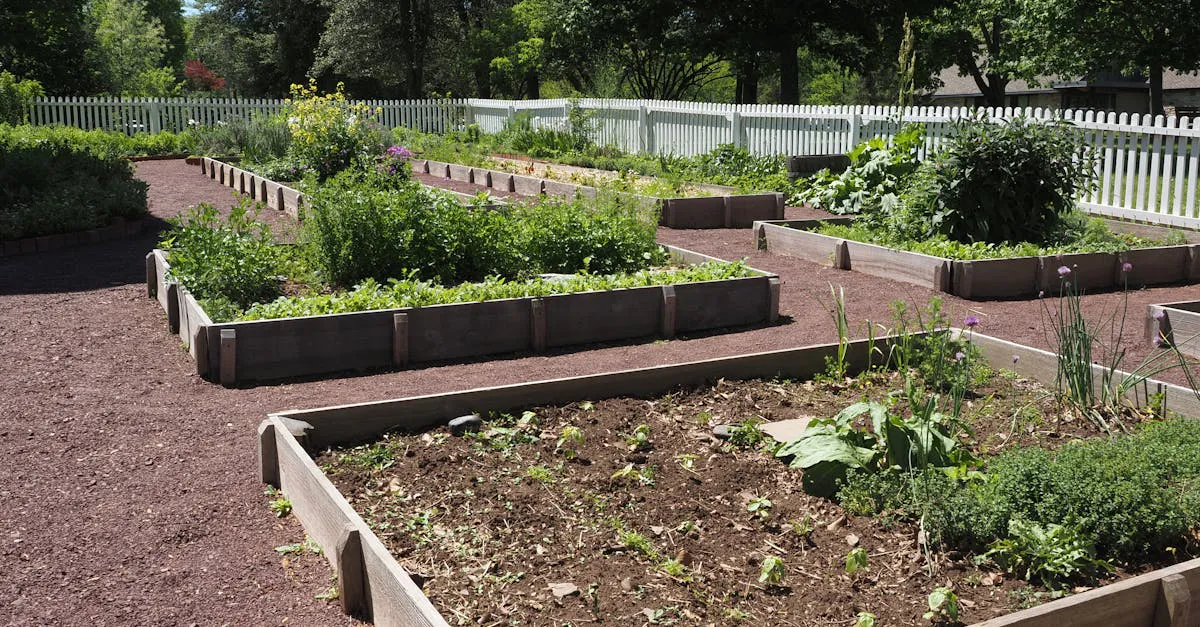
Cedar is the classic raised bed material and the Greenes Fence kit is the most popular cedar option on Amazon for a reason. The boards are genuine cedar (not cedar-tone pressure treated), which means no chemicals leaching into your soil. They slot together with dovetail joints, so you don’t even need screws.
The 4x8 size is the standard raised bed footprint. It gives you 32 square feet of planting area. The catch is the single tier is only about 7 inches tall. That’s shallow. You really need to buy two kits and stack them to get 14 inches, which doubles the price. Greenes knows this and designed the kits to stack, so at least the process is simple.
Cedar smells great and looks beautiful in a garden. But I want to be honest about longevity. In a wet climate (Pacific Northwest, Southeast), expect 4-5 years before the boards start showing rot. In dry areas, you might get 8 years. That’s the trade-off compared to metal. You get natural beauty but less durability.
Vego Garden 17-inch Metal Raised Bed
Vego has been gaining a huge following and it’s deserved. Their 17-inch beds hit a sweet spot between the shallow Best Choice models and the towering Birdies. Seventeen inches gives you enough depth for every vegetable, including carrots, parsnips, and potatoes.
The Aluzinc coating matches Birdies in quality. The panels feel substantial. The edges are rolled and smooth, so no sharp metal cuts during assembly (something cheaper metal beds are notorious for). Available in several earth-tone colors, which is a nice touch. The dark green blends well into most garden settings.
Assembly is straightforward with the included hardware. Takes about 45 minutes solo. The bed weighs around 40 pounds empty, which is manageable. Multiple sizes are available, from compact 2x2 planters up to large 6x3 beds.
The price sits between budget metal beds and Birdies. For most people, that middle ground makes Vego the smart choice. You get 90% of the Birdies quality at 70% of the price. The only reason Birdies edges it out for the premium pick is the shape flexibility and extra depth.
Smart Pots Big Bag Bed
The Smart Pots Big Bag Bed is a fabric grow bag, and I know that sounds janky. But these actually work really well for a few specific situations. If you’re renting, testing a garden location, or just getting started on a tight budget, fabric beds make a lot of sense.
The fabric is a thick geotextile material that allows air and water to pass through. This “air pruning” effect on roots is a real advantage. When roots hit the fabric wall, they branch instead of circling. You get a denser root system, which means healthier plants. Smart Pots pioneered this concept and their fabric holds up for 3-5 seasons.
The 50-gallon size gives you about 12 square feet of growing area and 12 inches of depth. Enough for tomatoes, peppers, and most vegetables. Set it on a patio, deck, or driveway. When the season ends, empty it and fold it flat. Try doing that with a metal bed.
The downsides are real though. It dries out faster than any rigid bed because water evaporates through the fabric walls. You’ll water more often, especially in hot weather. And let’s be honest, it looks like a grow bag, not a garden bed. If aesthetics matter to you, this isn’t it.
Mr. Stacky 5-Tier Vertical Planter
The Mr. Stacky is not a raised bed in the traditional sense. It’s a vertical planter, and I’m including it because some people reading this have a balcony, not a backyard. If your entire growing space is a 3x3 foot patio, this is how you fit a garden into it.
Five tiers stack on a center pole. Each tier has planting pockets around the perimeter. Total footprint is about 1.5 square feet. You can grow 20+ herb plants or strawberry plants in that tiny space. It’s genuinely impressive how much you can pack in.
The limits are clear though. These pockets are too small for tomatoes, peppers, or most vegetables. Stick with herbs (basil, cilantro, oregano, thyme), strawberries, or compact lettuce varieties. The top tier dries out fastest because water flows down through gravity. You’ll need to water from the top daily in summer.
The plastic is food-safe but not heavy-duty. After 2-3 seasons of UV exposure, it starts to get brittle. For the price, that’s acceptable. Just don’t expect it to last like a metal raised bed.
How We Picked These
I focused on three things when selecting these beds:
Durability relative to price. A $30 fabric bed that lasts 3 seasons is a better value than a $60 plastic bed that cracks in year one. A $200 metal bed that lasts 20 years costs $10 per year. I want you to think about cost-per-year, not sticker price.
Actual growing performance. Some beds look great in product photos but have drainage problems, depth issues, or materials that heat up and cook roots. Every bed on this list can grow healthy vegetables in real conditions.
Assembly and setup. Nobody wants to spend a whole weekend building a raised bed. These kits range from “no tools needed” to “one hour with basic hardware.” Nothing on this list requires carpentry skills.
Frequently Asked Questions
Bottom Line
For most backyard gardeners, the Best Choice Products 8x2 is the right pick. It gives you a large growing area, durable metal construction, and a price that doesn’t sting. If you want to invest in something that will outlast your mortgage, step up to the Birdies 6-in-1 or the Vego Garden 17-inch. Renting or just experimenting? The Smart Pots Big Bag Bed gets you growing for under $40.
Skip the cheap wood kits from big box stores. The lumber is thin, the hardware is weak, and they fall apart in two seasons. Spend a little more on metal or genuine cedar and you’ll be glad you did.